At a Glance:
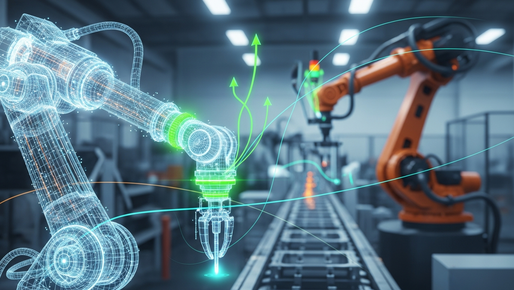
STIWA Software creates a digital twin of your production system that provides transparency throughout the entire lifecycle. From planning to series production, a continuous digital model is developed that saves time, reduces errors, and measurably increases production efficiency, without complex PLC programming and with consistent user interfaces.
In the modern manufacturing industry, the proper use of software often makes the crucial difference between average and highly efficient production. As a technician or engineer, you face the challenge of optimally controlling, monitoring, and continuously improving complex production systems. The STIWA software suite offers a comprehensive solution that accompanies a system's entire lifecycle, from the first planning meeting to ongoing optimization in series production.
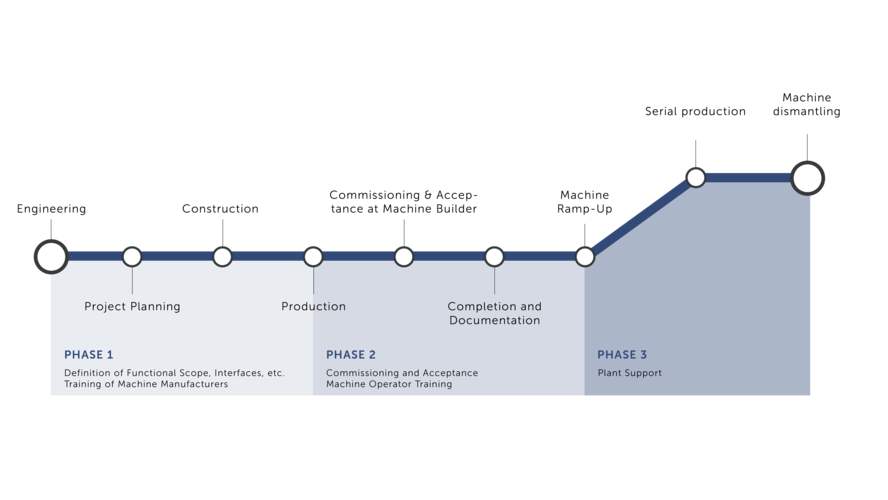
Phase-by-Phase Approach
Engineering: Laying the Digital Foundation
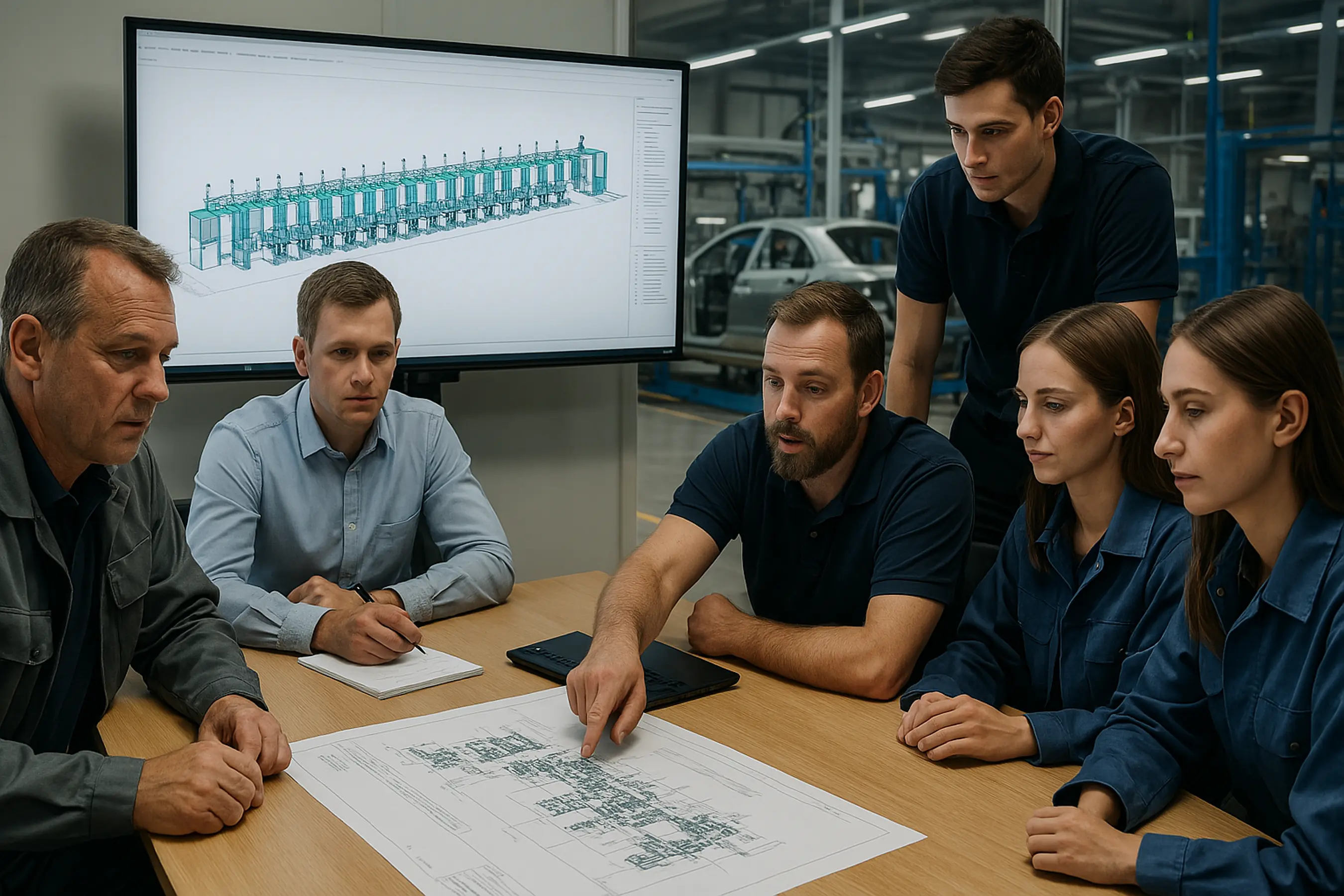
STIWA Software lays the foundation for smooth production in the engineering phase. Each project begins with a structured kickoff meeting moderated by STIWA experts. This meeting brings together all stakeholders: the system operator, project managers, and IT specialists, as well as the system builder and their project team. The data concept is created during this early phase, the blueprint for the future digital system model.
The role of the moderating expert can be taken on by qualified personnel from participating organizations, not exclusively by STIWA specialists.
Advantages:
- The system operator can clearly define their concept and ensure all requirements are met.
- The machine builder knows all specifications early on and minimizes later changes that can be expensive and time-consuming.
- Potential hardware adjustments (e.g., additional sensors for traceability) are identified in this phase.
Detailed implementation steps in the engineering phase:
- Structured recording of all system requirements using standardized documents
- Design of control technology with a focus on data technology
- Station-specific process description from a data perspective
- Definition of traceability requirements and corresponding hardware (sensors, scanners)
- Definition of interfaces to other systems (ERP, MOM, CAQ) or machines (M2M)
- Creation of the rework concept for defective parts
Benefits for the machine operator:
- Complete consideration of all requirements from the beginning
- Proactive identification of additional needed hardware (no expensive retrofitting later on)
- Ensuring data consistency across all system components
Benefits for the machine builder:
- Clear requirement definition from the start
- Avoidance of cost-intensive changes in later project phases
- Early integration of software requirements into hardware planning
Project Planning: The Digital Model Takes Shape
In the project planning phase, the system builder undertakes the detailed development of the technical solution. They implement the concepts developed during engineering into concrete plans and work out the specific technical details of the system. This phase is characterized by intensive detail work on the part of the machine builder.
Based on the data concept, the digital machine model—a virtual data twin of the production system—is developed. At the same time, the Implementation Guideline is created, giving the system builder precise instructions for integrating the STIWA interface into their PLC program.
Precise specification of technical components:
- Detailed specification of PLC integration for various control systems and production-relevant components such as robots, screwdrivers, process devices, and their integration into the overall system
- Modeling of the virtual system with basic systems (cells) and modules (stations)
- Detailed downtime classification for precise analysis of production interruptions
- Definition of system-specific special functions such as switcher logic, curing times, handling of components, etc., for project-specific production processes
- Configuring type and recipe management for flexible handling of different product variants
- Intelligent component handling for tracking and controlling individual parts
Benefits for the system operator:
- Holistic digital model as a basis for consistent analysis capabilities
- Seamless integration of all system components into an overall system
- Ensuring the necessary data collection for future analyses
Benefits for the system builder:
- Precise technical specifications for implementation
- Standardized interfaces reduce development effort
- Support with integration into existing control systems
Design and Assembly: Automatic Generation of Control Station and Analysis
The design and assembly phase is the central realisation phase for the machine builder. This is where the mechanical, electrical and control components are developed, assembled and synchronised.
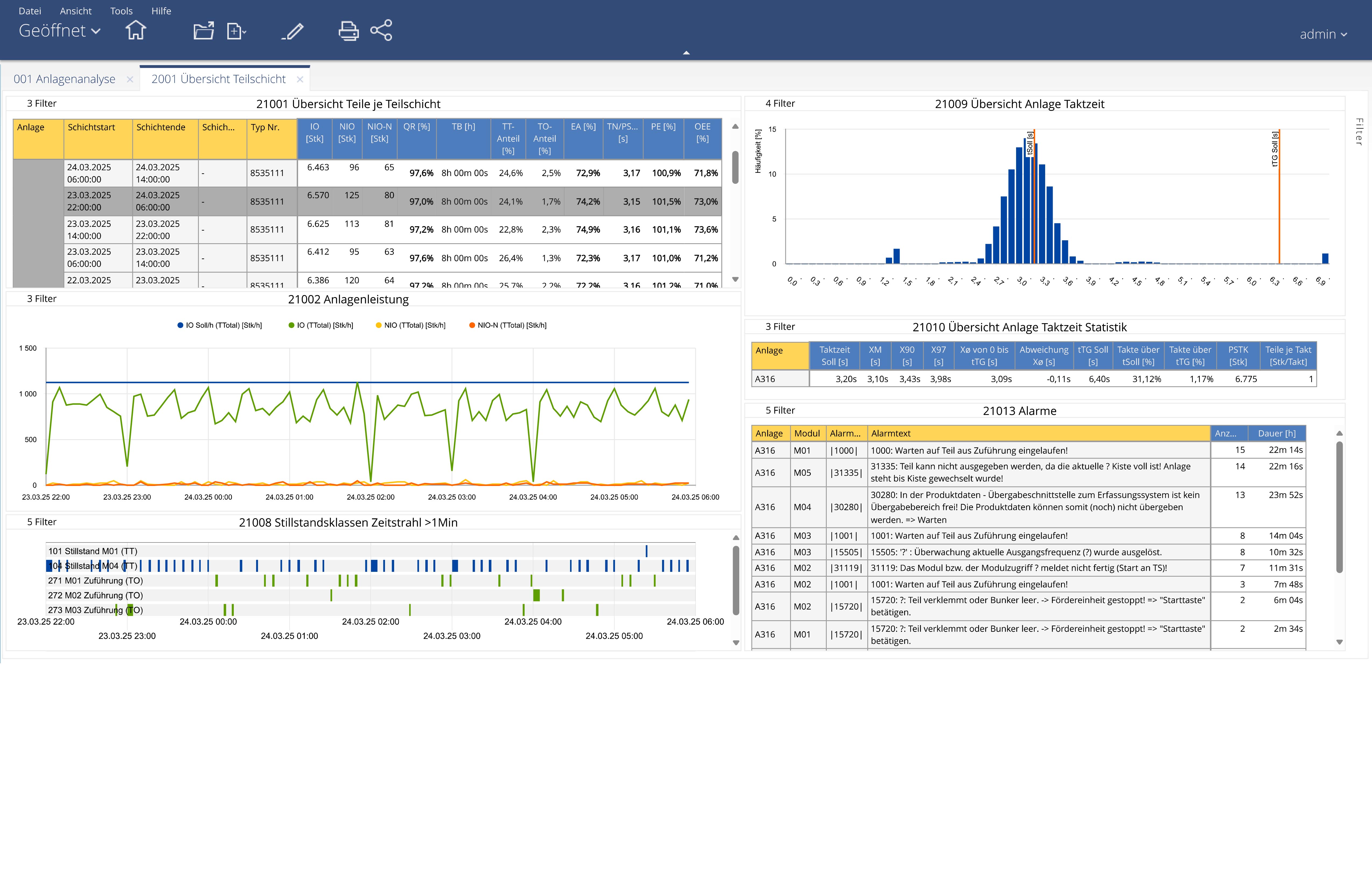
One of STIWA Software's unique selling points is the automatic generation of operating and analysis systems directly from the digital system model. The control station (STIWA Shopfloor Control) and the analysis system (Analysis-CI) are created without manual programming.
Through the early use of STIWA Shopfloor Control and Analysis-CI, relevant key figures such as OEE, cycle times, alarms, and downtime analyses are already captured and used during this phase.
Advantages:
- The control station is immediately usable - no later "setup" on top of the PLC program required.
- The system builder saves time through pre-fabricated PLC building blocks.
- The system operator benefits from a consistent digital model throughout the entire lifecycle.
Technical implementation and system development:
- Automatic creation of the control station with all operating interfaces
- Generation of the analysis system with relevant key figures and dashboards
- Automatic creation of PLC building blocks for integration into the control program
- Configuration of all necessary interfaces between the system control and the software
Benefits for the machine builder:
- Significant time savings through automatically generated PLC blocks and HMI
- Reduced complexity in PLC programming
- Full functionality for tests already during commissioning
Benefits for the machine operator:
- Consistent digital machine data model throughout the entire lifecycle
- Early familiarity with the system that will later be used in daily production
- No system breaks between development and operation
Commissioning and Preliminary Acceptance: Early Quality Assurance
The commissioning and acceptance phase marks the critical transition from construction to a functioning system for the machine builder. In this phase, the system is operated as a complete system for the first time, tested, and optimized. The machine builder conducts systematic tests, resolves occurring problems, and fine-tunes the system parameters for optimal performance. With the already fully integrated STIWA Software, they have a powerful tool for diagnosis, analysis, and optimization at their disposal.
STIWA Software plays a crucial role in quality assurance during commissioning. Unlike many other solutions, the full functionality is already available at this stage.
Commissioning occurs with comprehensive data control through STIWA Shopfloor Control and Analysis-CI. This ensures that:
- All processes function correctly
- Data collection is complete and precise
- The control station provides all functions already in the commissioning phase
- Product quality is monitored with objective data from the beginning
- Early identification of optimization potential is possible
- Transparent documentation of system performance for acceptance
- Handover to production personnel is facilitated by unified operating interfaces
Benefits for the machine builder:
- Less complexity in the PLC by outsourcing functions to the STIWA Software
- Early detection of problems in data collection
- Better basis for discussions during acceptance through fact-based data
Benefits for the machine operator:
- Tested and standardized software from the start
- Ensuring data quality before delivery
- Reduced risk of problems after installation for the end customer
Ramp-Up: Data-Based Process Optimization
In the system ramp-up phase, the focus increasingly shifts to the machine operator. The machine builder supports this phase and is responsible for optimizing and fine-tuning the system as production performance gradually increases. They identify and resolve weaknesses in close coordination with the operator and bring the machine to full production capacity.
The STIWA Software Suite significantly simplifies the critical phase of machine ramp-up. Its comprehensive analysis capabilities create transparency and enable fact-based decisions.
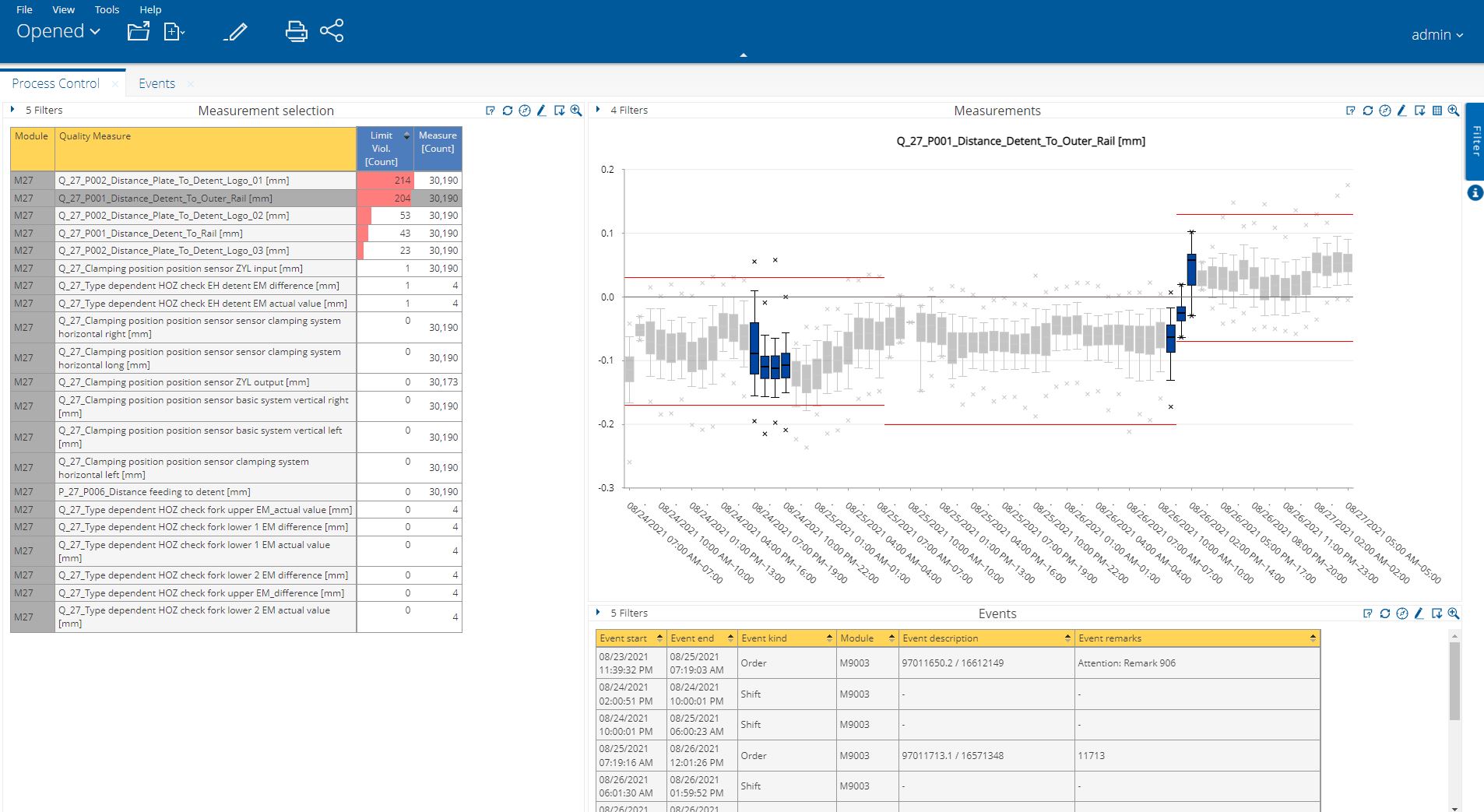
During the ramp-up phase, fact-based analysis is essential. STIWA Software delivers complete transparency:
- Identification of trends (positive & negative)
- Simple validation of adjustments ("before-after comparison" for mechanical changes or material adjustments)
- Objective data basis instead of subjective assessments or paper checklists
Implemented functions and system integration:
- Real-time monitoring of all relevant process parameters
- Trend analyses for early detection of deviations
- Before-after comparisons for adjustments and optimizations
- Detailed investigation of quality fluctuations, e.g., due to feed materials
- Integration of STIWA systems into the IT infrastructure for central user management and communication with other central services, such as ERP systems
- Establishing M2M communication
Benefits for system builders and operators:
- Transparent basis for argumentation based on objective data
- Clear insights into process quality and cycle time stability
- Faster identification and resolution of production problems
- More efficient collaboration through a shared data basis
- Reliable quality control & stability testing of the system
- Fully integrated user management with differentiated access rights for different user groups
- Seamless integration into existing IT landscapes and production systems
Final Acceptance
The final acceptance of the system benefits significantly from STIWA Software through transparent and fact-based decision foundations. The data collected during commissioning and ramp-up provides an objective basis for evaluating system performance. The automatically generated acceptance protocol documents all relevant key figures such as OEE, performance efficiency, quality rate, availability, and cycle times. Acceptance criteria can be precisely verified based on the collected data.
Series Production: Continuous Support in Daily Operations
With the achievement of the series production phase, the machine builder typically moves into the background. Their role changes from active designer to service and support partner, available for maintenance, updates, or extensions when needed. They support the machine operator and advise when system modifications or extensions are planned.
The machine operator takes full responsibility for the daily operation of the machine in this phase. Their production team uses STIWA Software as a central operation, monitoring, and continuous improvement tool. The data from Shopfloor Control and Analysis-CI flows into daily production management and forms the basis for continuous improvement activities and strategic decisions. Regular software updates from STIWA ensure that the system remains technologically current and that new functions can be used without complex system changes. Particularly valuable is the ability to implement system modifications or type integrations without complex PLC reprogramming, which significantly increases the flexibility of the system operator.
After successful commissioning, STIWA Software supports daily production operations and grows according to the system's requirements.
The software is continuously updated to provide new features and security updates:
- Regular small and large software releases
- Service packs between releases
Available system functions and operating possibilities:
- Comprehensive operating and monitoring functions via the STIWA control station
- Detailed analyses for shopfloor meetings and continuous improvement
- Regular software updates with new features and security patches
- Easy adaptation for system modifications without PLC reprogramming
Benefits for the system operator:
- Turnkey software for operation and analysis
- Solution that grows with the system during extensions and type integrations
- Reduced training effort through consistent user interfaces
- Long-term investment security through regular updates and continuous development
- Solid decision-making basis through comprehensive data analysis for continuous process improvements