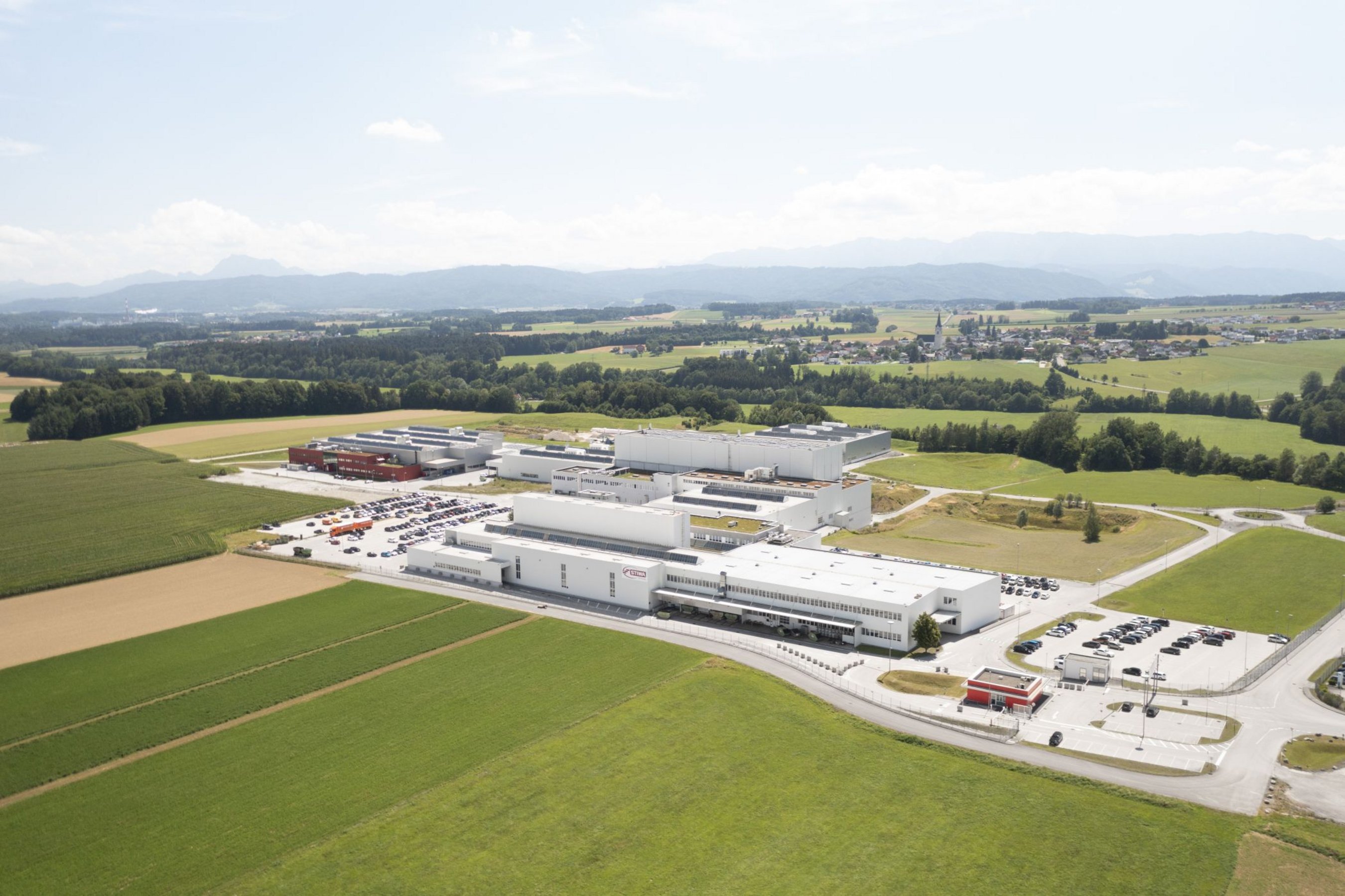
At the STIWA Manufacturing production site in Gampern, where high-quality individual parts and assemblies are produced in large quantities for the global market, quality assurance once relied entirely on paper documents and manual records. Recognizing the limitations this placed on their operations, the Gampern team set out to digitalize their quality status tracking. A decision that would transform how they identify, communicate, and resolve production issues.
Recognizing the Cost of Paper-Based Quality Checks
Before digitalization, several people were involved in checking and documenting product quality at Gampern: machine operators, shift supervisors and the quality assurance team in the quality assurance laboratory, all of whom coordinated their work using paper-based supporting documents. Thomas Griesmayr-Oberndorfer of STIWA Advanced Products describes the day-to-day work: “A lack of an overall view, conflicting information or time-consuming analyses in quality assurance have serious repercussions for production and cause unnecessary delays, scrap and defects.” He recalls the specific difficulties this posed for his team: “To ensure that consistent information was available at all times, communication via paper documents between quality assurance staff and machine operators was particularly challenging and required a significant investment of time and resources. There was also no centralized overview of where the most urgent action was currently required.”
Choosing a Path to Digital Quality Management
Faced with these recurring inefficiencies, the Gampern site moved to digitalize its quality status visualization. The approach centered on making quality data visible wherever it was needed, directly at the machine via an Andon board, or on a Shopfloor Monitor installed on employees' smartphones.
From Data to Decisive Action: Real-time Responsiveness
The shift to digital tracking gave the Gampern team a clear, real-time picture of their actual quality status. „Today, all quality-related data is visualized. Thanks to our consistent database management, production managers and quality managers can check production status at any time and from any location, and view quality control status and other relevant information in real time,“ states Griesmayr-Oberndorfer. Inspectors, who previously spent considerable time traveling between equipment, could now focus fully on quality assurance activities. „We save around 5% of our time thanks to this digital solution, helping to reduce the workload of our already busy colleagues."
The move to connected, visual quality systems:
- Integrated Quality Data: All quality data is now integrated into visualizations available on local displays via Andon boards or on employees' smartphones.
- Real-time Notifications: Every change in quality status is transmitted to the machine operator in real time using smartwatches, significantly improving responsiveness.
- "Just-in-Time" Rectification: As Griesmayr-Oberndorfer notes, defects can now be rectified 'just in time' while maintaining the best possible overview.